

CHALLENGE: On average, Americans lose 5 items a month. When we do so, we erupt into anxiety and frustration about why we can’t remember where we last saw our belongings. On top of this, we lose even other memories over time, and details fog up over years and sometimes within days.
In a team of two, we created a speculative app design for a futuristic product that could be created within the next five to ten years.
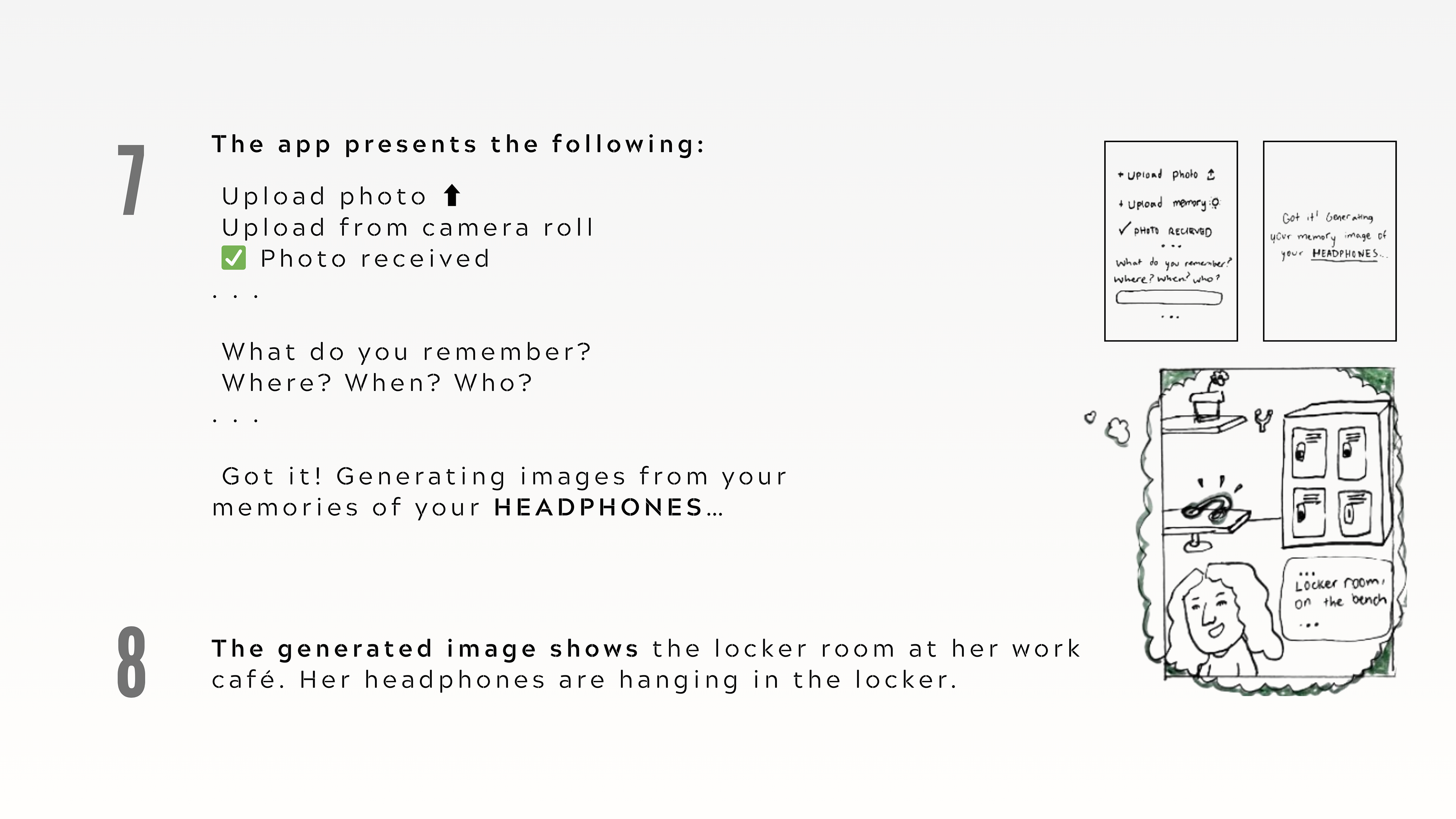
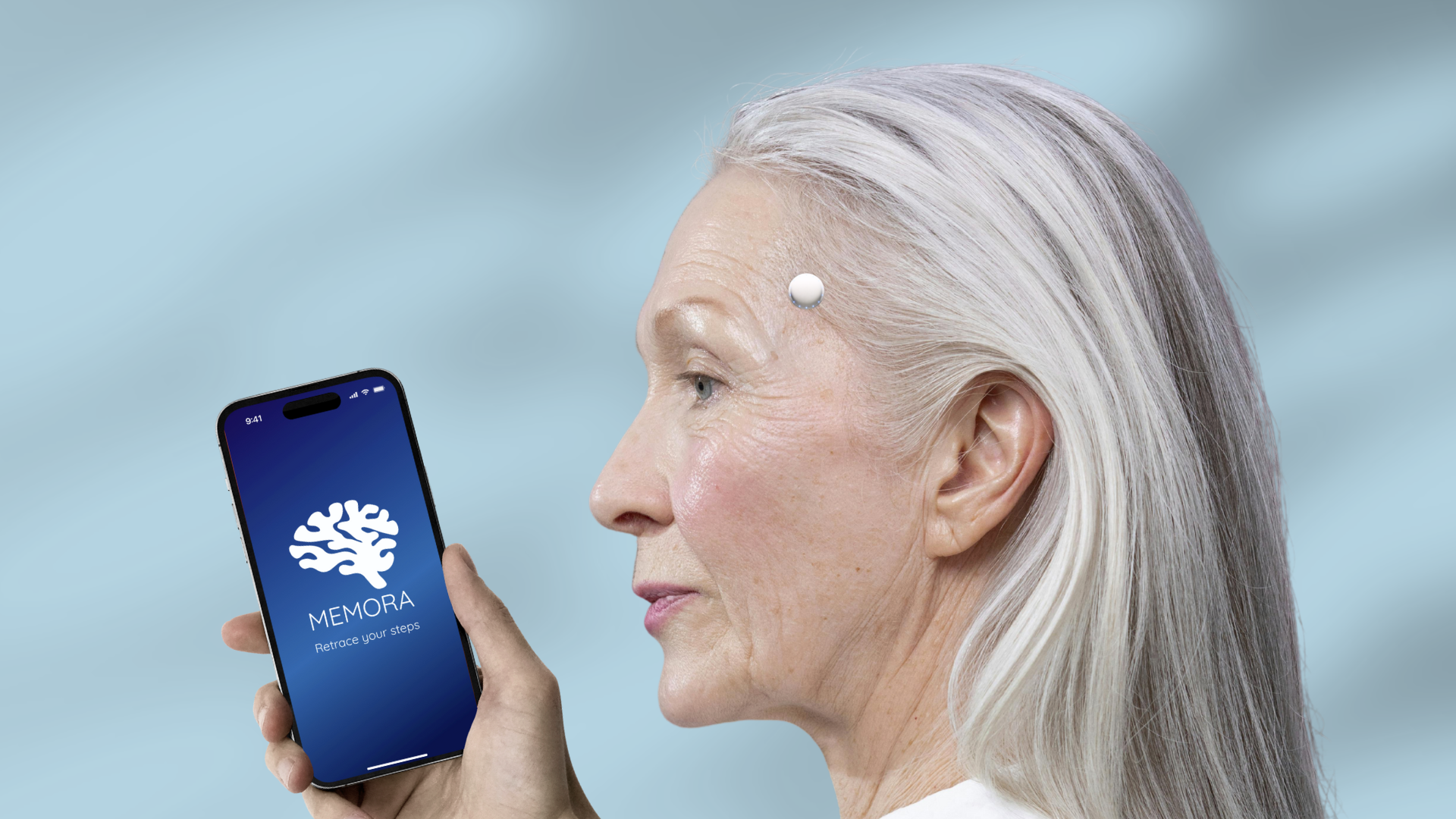
SOLUTION: Our app reads a user’s weak neural pathways to retrace misplaced items, visualize past events, and resurface forgotten memories. Through a speculative design process, we've designed an app for 5 to 10 years into the future, which will connect to an wireless accessory to read your cognitive patterns.
TARGET AUDIENCE: Although nearly anyone can relate to symptoms of forgetfulness, the issue is concentrated in adults and seniors.To narrow down the target audience, we conducted interviews and usability tests with campus peers and faculty. Through this, found further the pain points that our product could address and analyzed the results throughout the design process.
Over the course of the project, we each conducted interviews with both young adults and older members of the target audience. We recorded and organized data from 6 key individuals to create personas that guide our product.
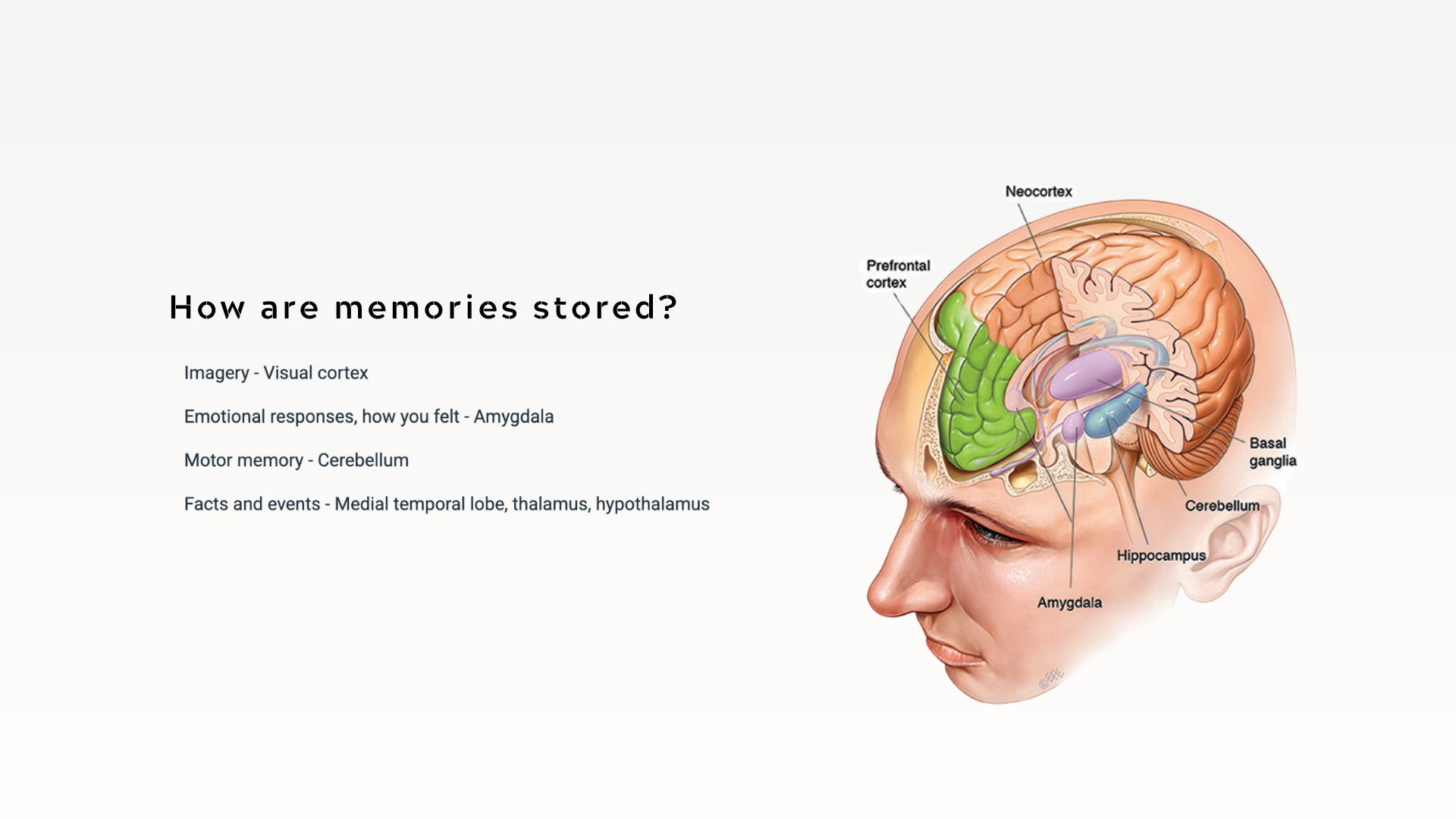
RESEARCH: In our research, we had to define memory, how it worked, and how it was stored cognitively. What we found was that memories are far more physical than conceptual parts of the mind. We continued by researching memory formation and the process of forgetting memories through scientific sources online.
Through research, we were able to narrow the purposes of our app, and restrict the way we designed it.
MOODBOARD
TYPEFACE & COLOR
VISUAL INSPIRATIONS
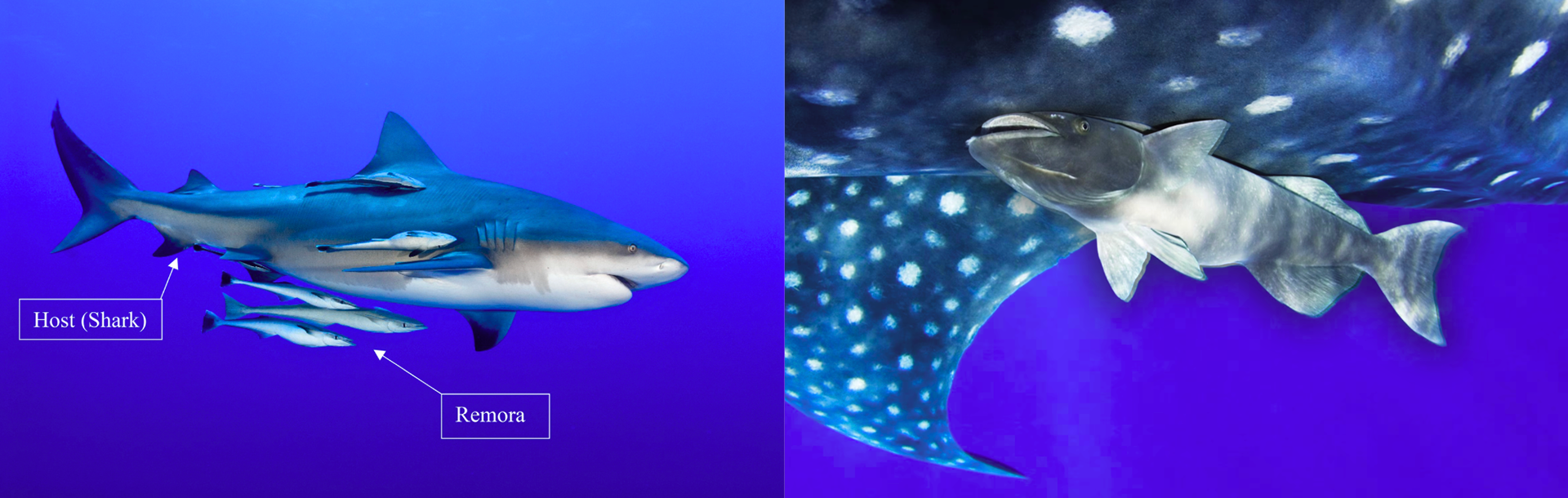
Like the remora fish, memories are forgotten, but are stored on you wherever you may go. The app’s neuro tab attaches to the side of the head, retrieving and repairing weak neural pathways like the work the remora that retrieves forgotten memories.
LOGO SKETCHES
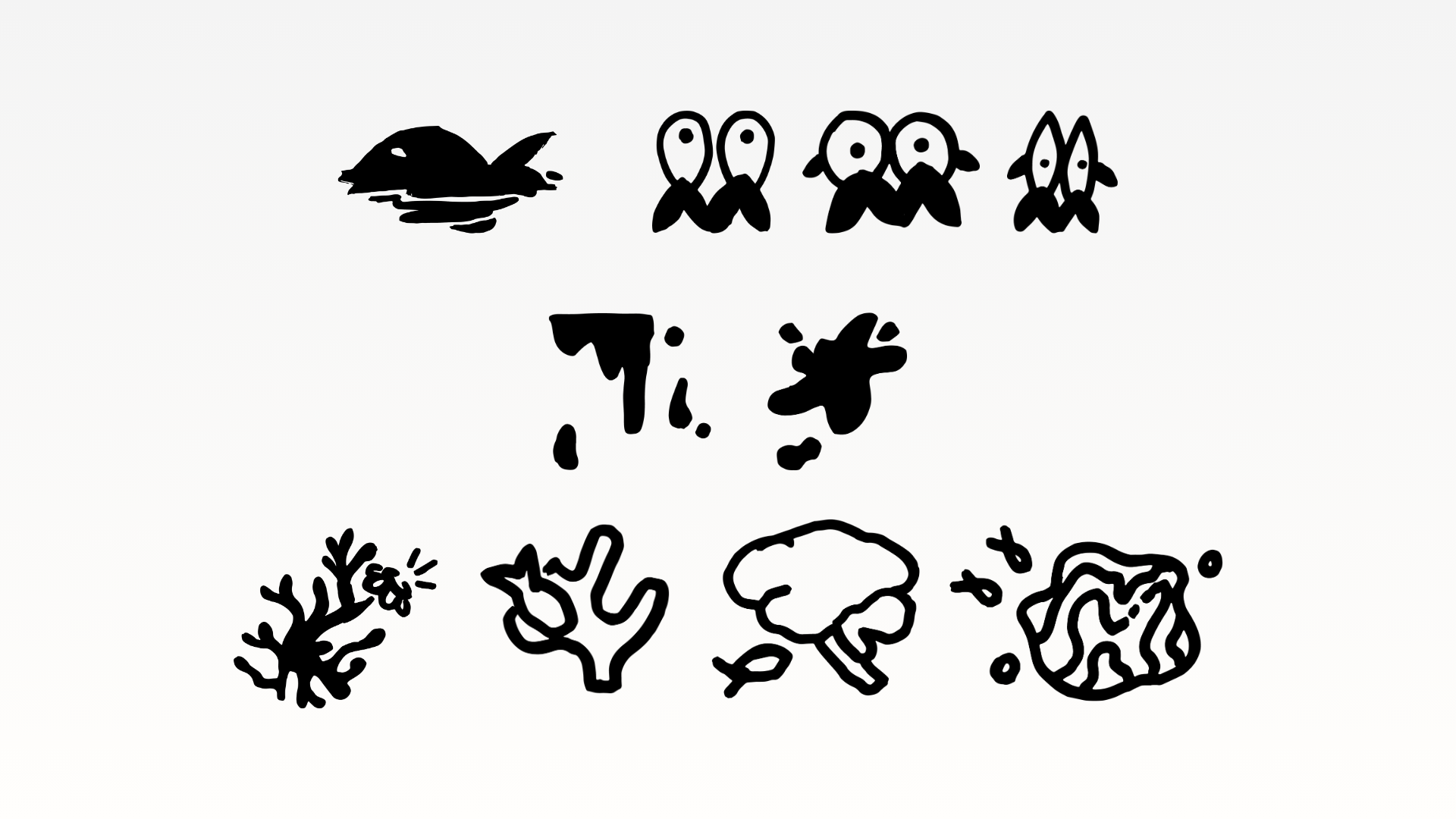
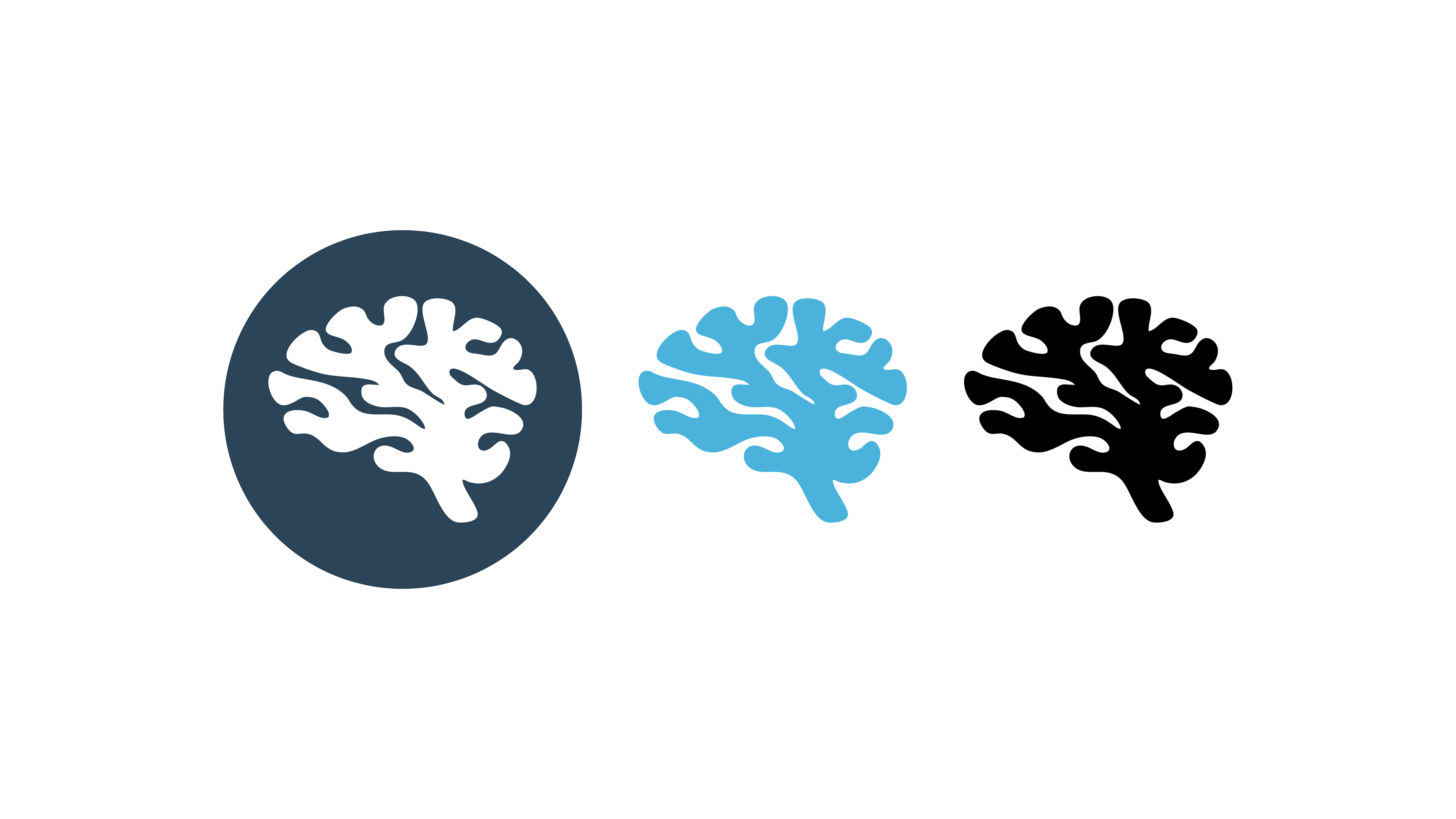
In creating our logo, the marine motif returned, paralleling the ocean to a sea of memories. We began by directly referencing the remora fish in our initial sketches until we landed on the concept of the brain and the coral reef. The final logo icon perfectly illustrated how our app maintained and nurtured the mind’s ecosystem by visualizing and resurfacing memories that were once lost.
FINAL LOGO
STORYBOARDING A NARRATIVE
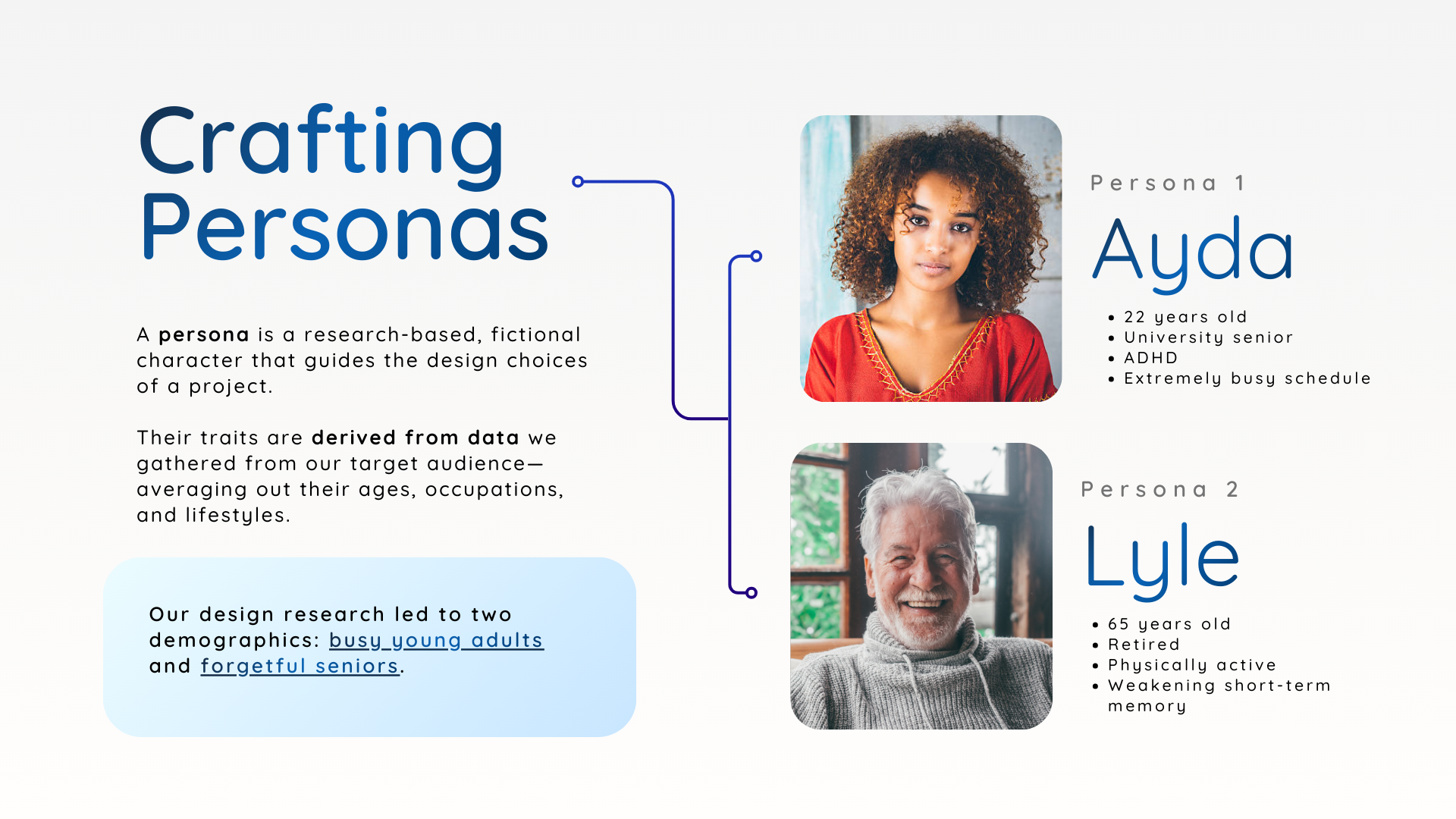
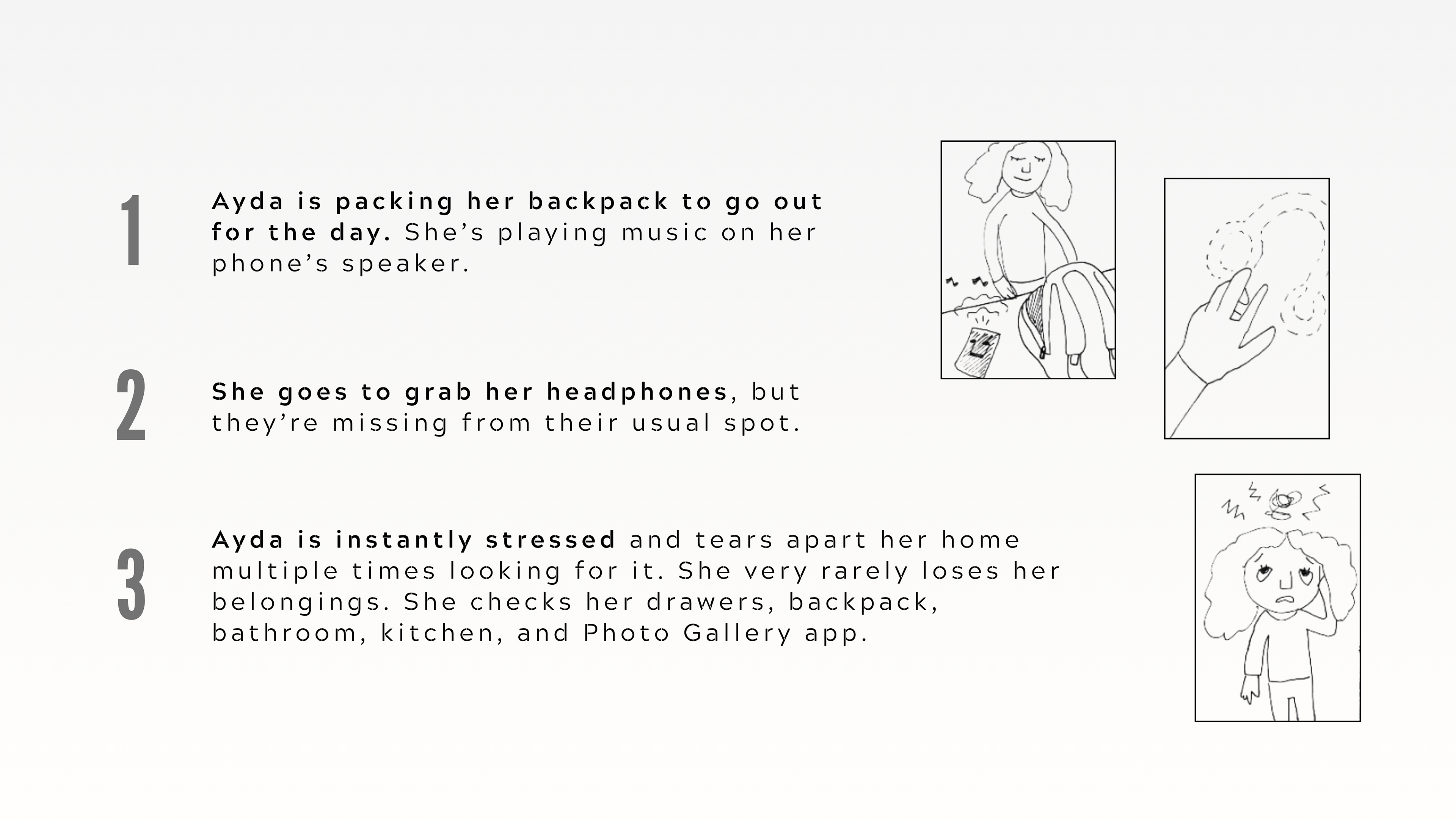
AYDA: is a very organized person and rarely loses her belongings. She’s a high-functioning individual diagnosed with ADHD. She is highly sociable and very involved in her community, so her schedule is always full.
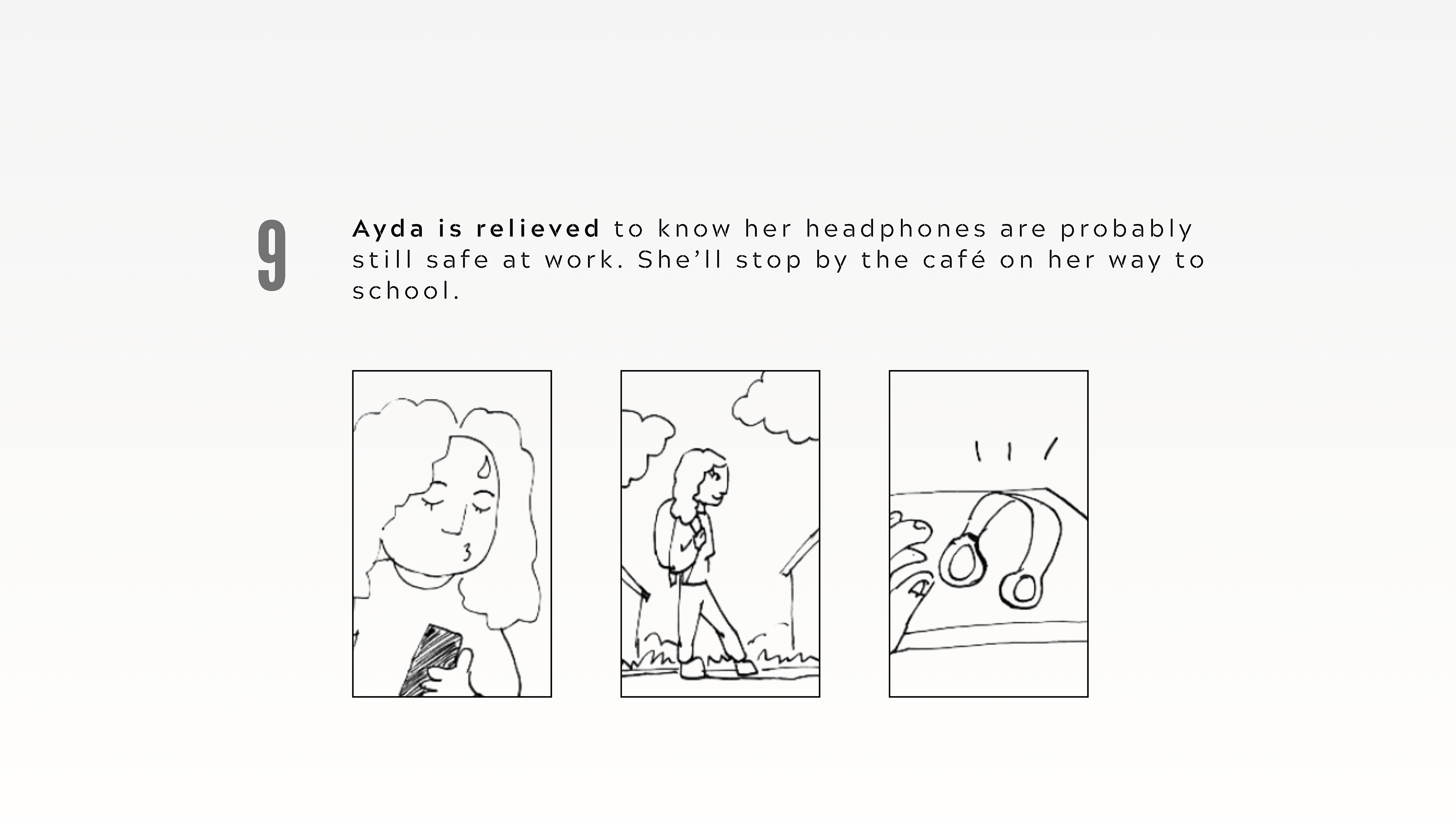
She loses around 6 belongings per year. On the rare occasion that she loses her headphones, she feels stressed and overwhelmed.
LYLE: Lyle is a retired accountant who maintains a healthy lifestyle, valuing structure and precision, balancing a daily routine centered around morning workouts, healthy meals, and evening walks.
Though he is comfortable with technology, he often forgets where he places smaller everyday items like his glasses, keys, or watch.
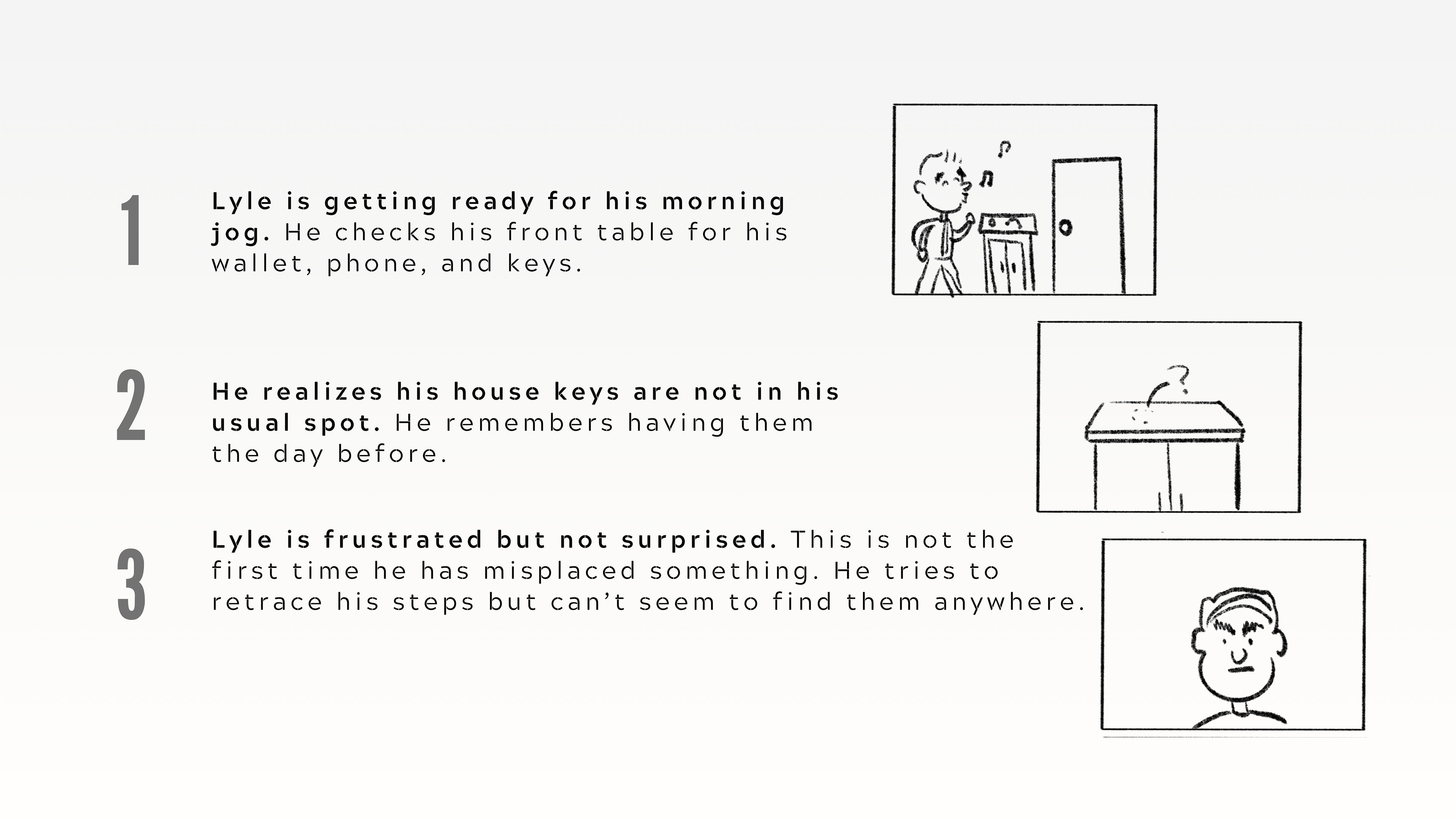
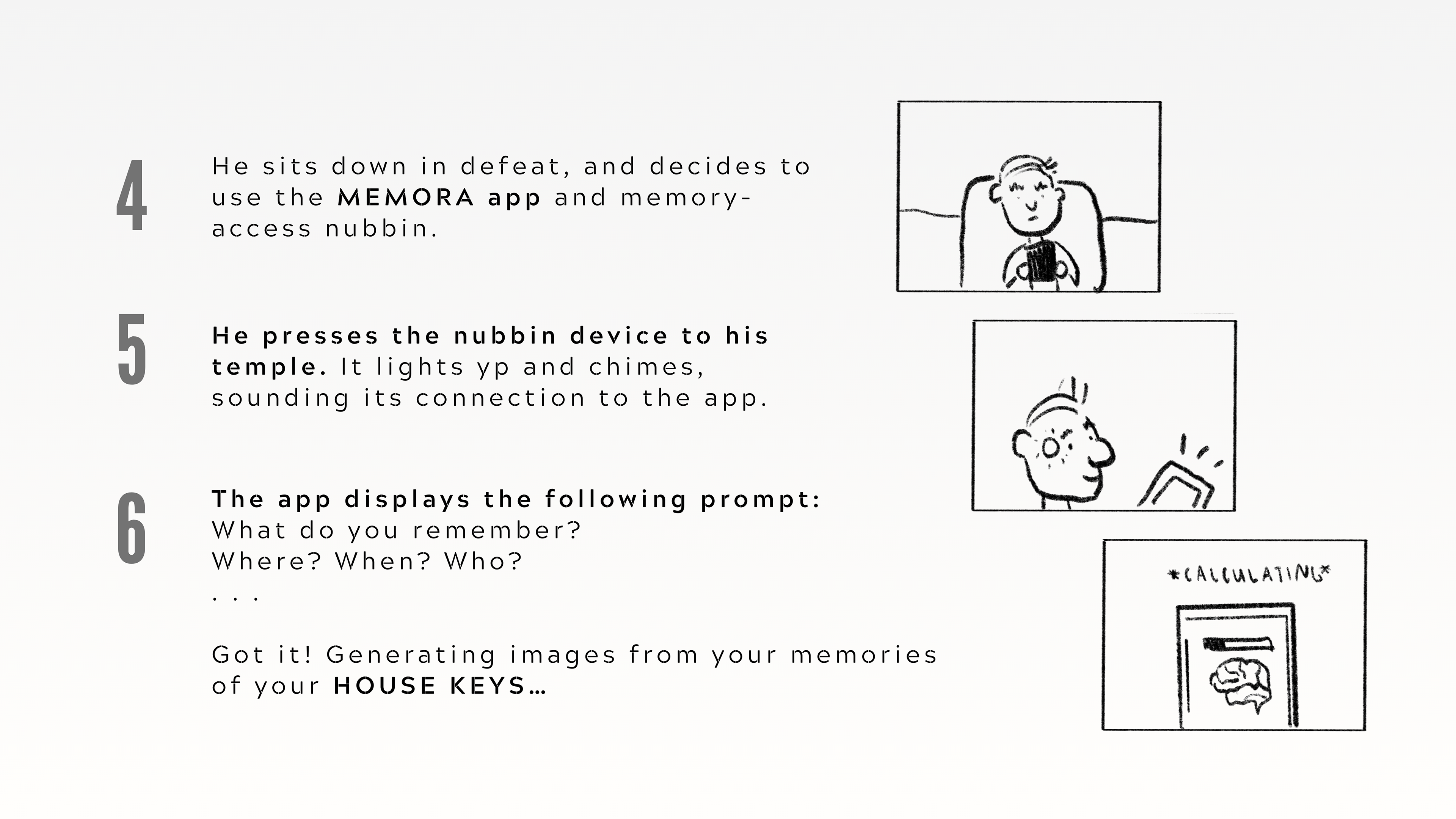
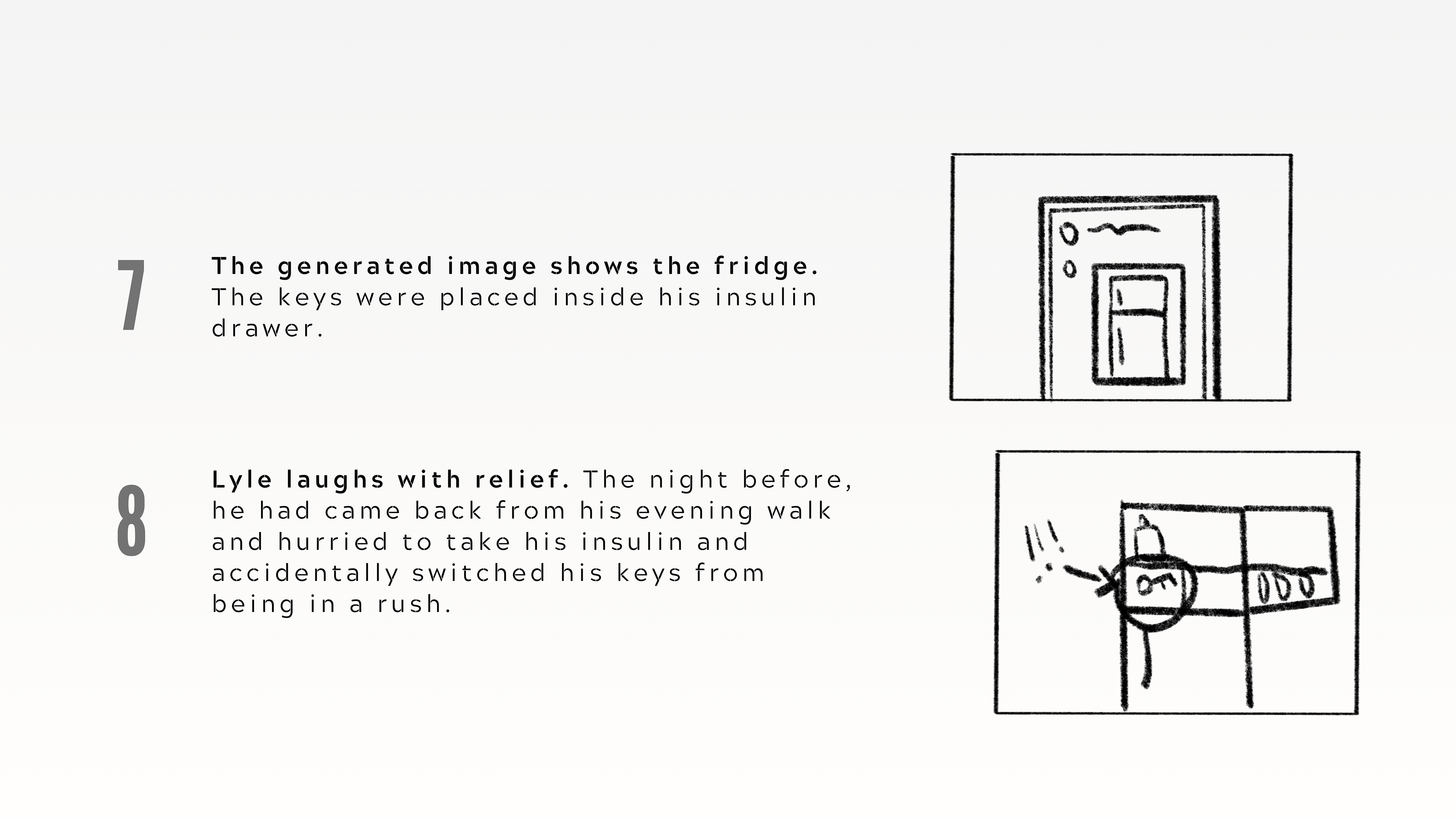
APP INTERFACE WIREFRAMES
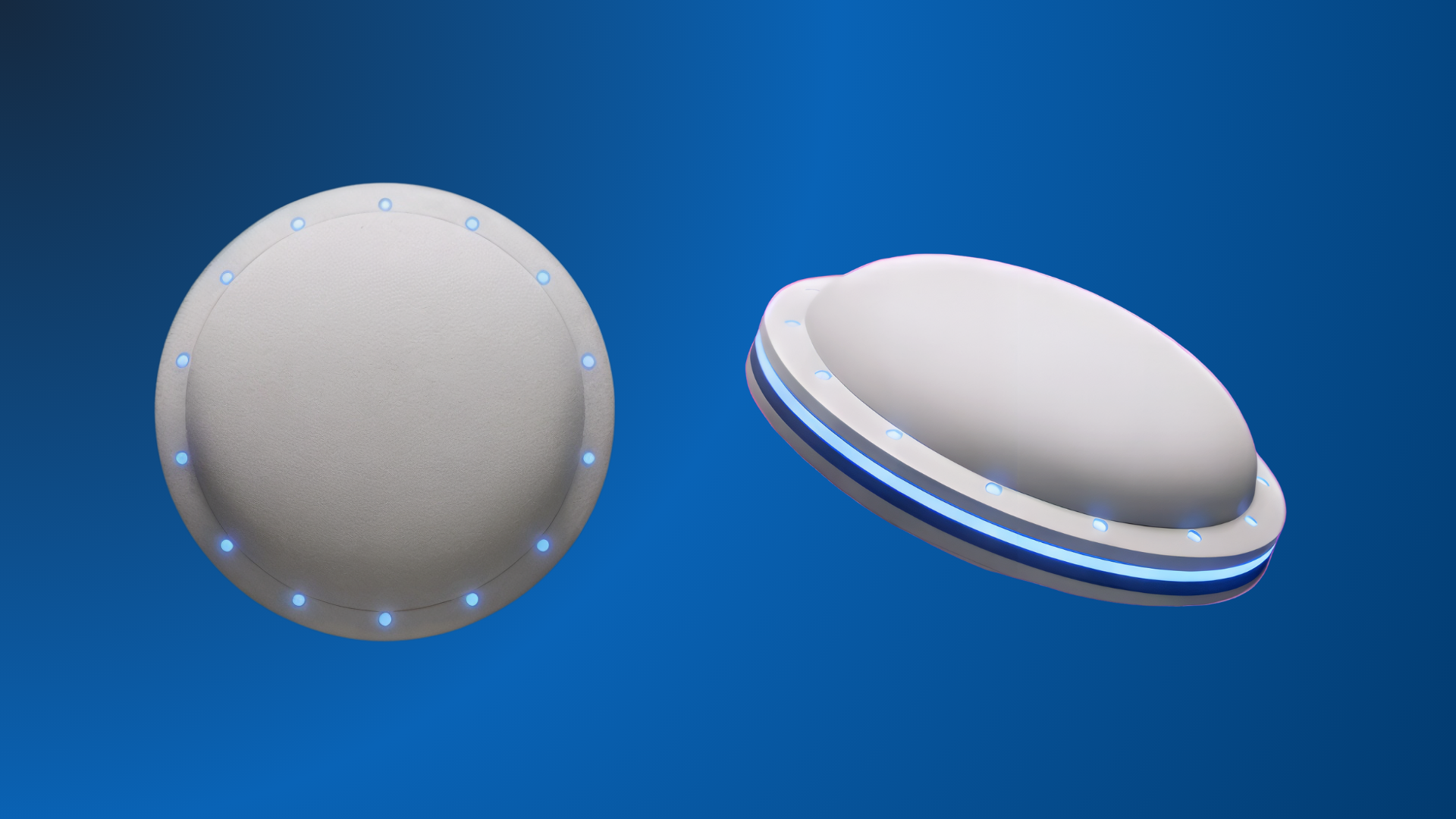
APP ACCESSORY
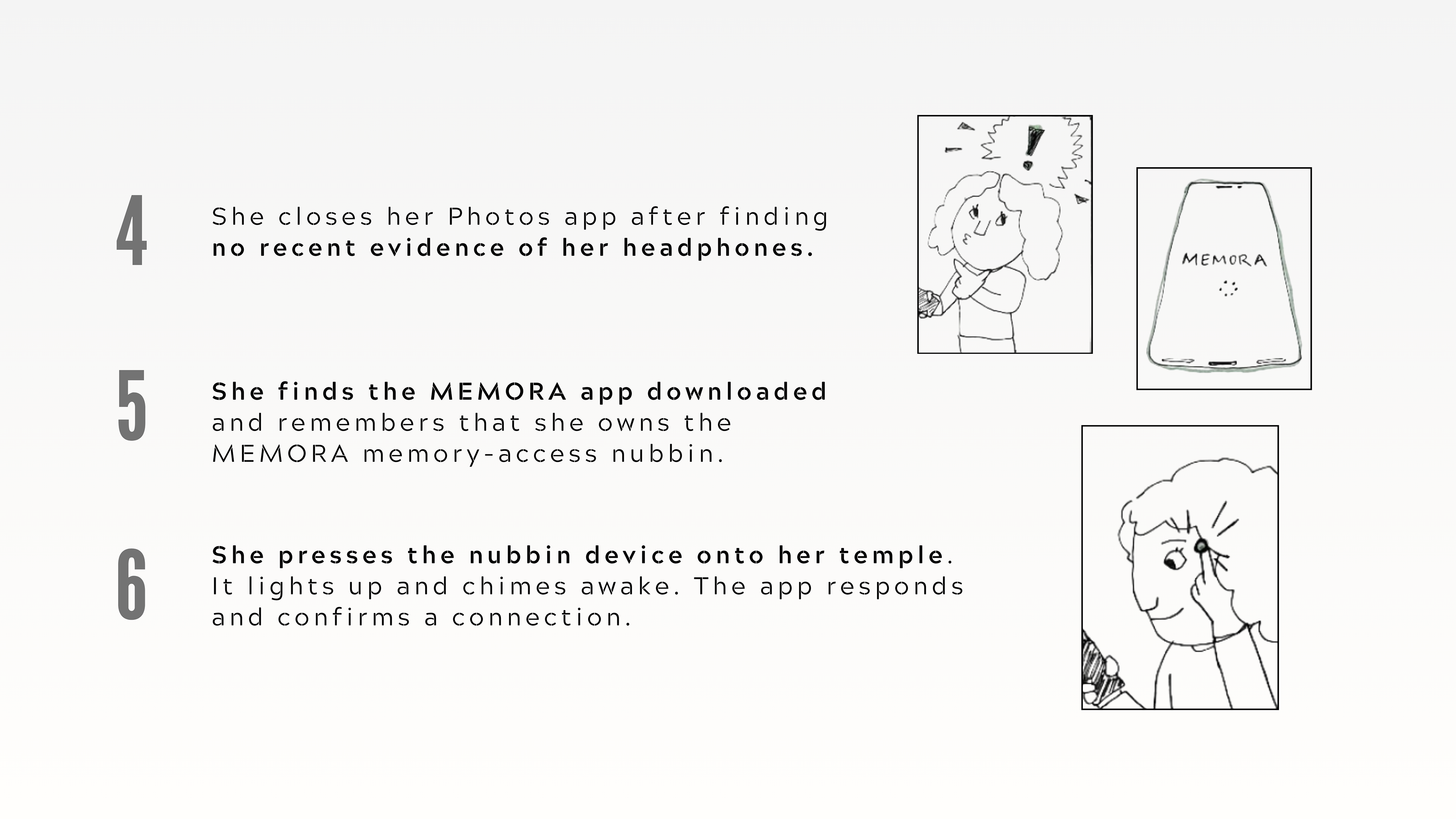
This "nubbin" device that we've nicknamed draws inspiration from the Netflix series Black Mirror, a show that twists the use of futuristic technology to reflect the dark conditions of the present.
Through this device, users will be able to connect with their lost memories which have weakened and faded over time.
APP DEMO